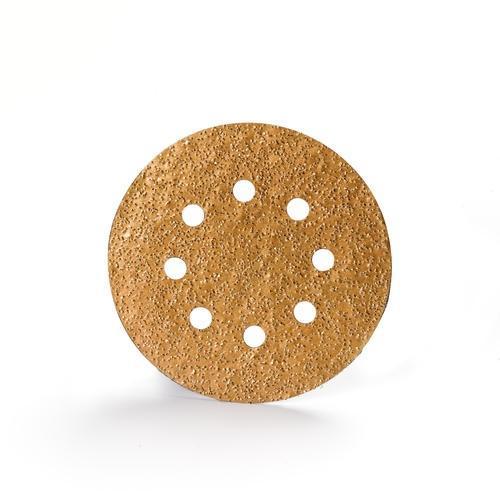
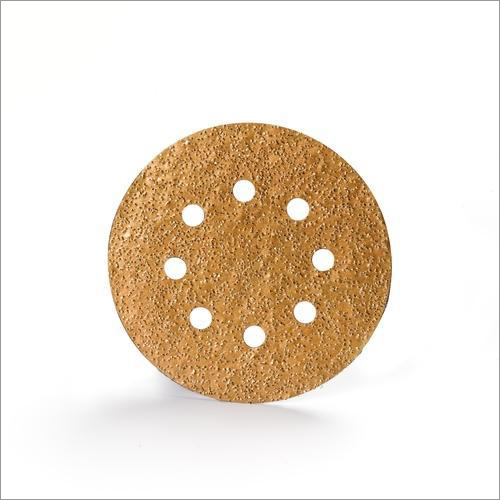
About Round Tungsten Carbide Sanding Disc
| Shape |
Round |
| Grit |
24-36-60-80-120-180-240 |
| Size |
90 mm |
| No of Hole |
8 |
| Thickness |
0.5-2 mm |
Disc are available in following sizes and GRIT;
- 90 mm with 7 Holes in GRIT - 24-36-60-80-120-180-240
- 125 mm with 8 Holes in GRIT - 24-36-60-80-120-180-240
- 125 mm with 9 Holes in GRIT - 24-36-60-80-120-180-240
- 125 mm without holes in GRIT - 24-36-60-80-120
- 150 mm with 6 Holes in GRIT - 24-36-60-80-120-180-240
- 150 mm with 9 Holes in GRIT - 24-36-60-80-120-180-240
- 150 mm without holes in GRIT - 24-36-60-80-120
Tungsten carbide Disc can be used on a variety of material as under-Wet or Dry
- Paint
- Wood
- Cement
- Plaster
- Brick
- Paint And Rust On Ships
- Linoleum
- Filler
- Acrylic
- Fibre Glass
- Carpet Backing
- Pvc
- Concrete
- Epoxy
- Marble
- Carpet Felt
( Tungsten carbide is not suitable for Steel for grinding but can be used to remove paint/ rust etc from the steel surface. carbide can be used on other metals like aluminium/ copper etc.)Engineered for Tough Sanding TasksOur tungsten carbide sanding disc stands out for its superior hardness and aggressive material removal capability. Thanks to its high Mohs hardness (approx. 9) and tungsten carbide grit, it excels at shaping and smoothing wood, paint, metal, and fiberglass surfaces. The disc maintains performance even at high speeds, making it essential for workshops requiring durability and efficiency.
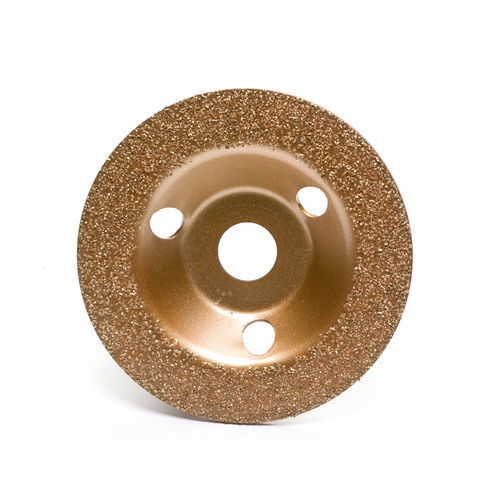
Versatile Attachment and CustomizationAvailable in both center hole and Velcro attachment options, this disc is easy to mount on a wide range of compatible tools. Grain size flexibility (coarse, medium, fine, or custom) ensures it meets unique project demands. The permanent electrostatic bonding of tungsten carbide grit ensures extended cutting life, saving time and replacement costs.
FAQs of Tungsten Carbide Sanding Disc:
Q: How is the tungsten carbide sanding disc used for surface preparation?
A: The disc is designed for rapid and aggressive material removal on wood, paint, fiberglass, and metal surfaces. It is mounted on compatible sanding machines or grinders via center hole or Velcro attachment. Simply operate at the recommended RPM (up to 12,000) to efficiently sand, shape, or strip surfaces.
Q: What advantages does tungsten carbide provide over traditional sanding materials?
A: Tungsten carbide offers superior hardness (Mohs approx. 9) and excellent wear resistance, resulting in a significantly longer service life. It performs well against moisture, resin chemicals, and high temperatures (up to 600C), making it ideal for challenging environments where typical sanding discs may fail.
Q: When should I choose coarse, medium, or fine grit discs?
A: Select the grit based on your projects needs: coarse grits are suited for heavy removal or rough shaping, medium for general sanding, and fine for smooth finishing. Custom grits can also be ordered for specialized tasks, ensuring precise control over the sanding process.
Q: Where are these sanding discs manufactured and supplied from?
A: These tungsten carbide sanding discs are manufactured, exported, and supplied from India. The company also operates as an importer and wholesaler, ensuring consistent quality and reliable distribution domestically and internationally.
Q: What is the process for bonding tungsten carbide grit to the disc?
A: The tungsten carbide grit is bonded to the steel or alloy disc base using a permanent electrostatic adhesion method. This process ensures the grit remains securely attached even under demanding use, maximizing the discs durability and effectiveness.
Q: How does the tungsten carbide disc handle exposure to heat and chemicals?
A: With a temperature tolerance of up to 600C and excellent resistance to corrosion from moisture and resin chemicals, the disc retains its integrity and performance in tough working conditions. This makes it ideal for use in environments where exposure to such elements is common.
Q: What are the primary benefits of using these sanding discs for industrial applications?
A: The main benefits include aggressive material removal, extended service life, excellent heat and corrosion resistance, and versatility for multiple surface types. These features contribute to increased productivity and reduced maintenance costs in professional and industrial settings.




 Send Inquiry


 Send Inquiry